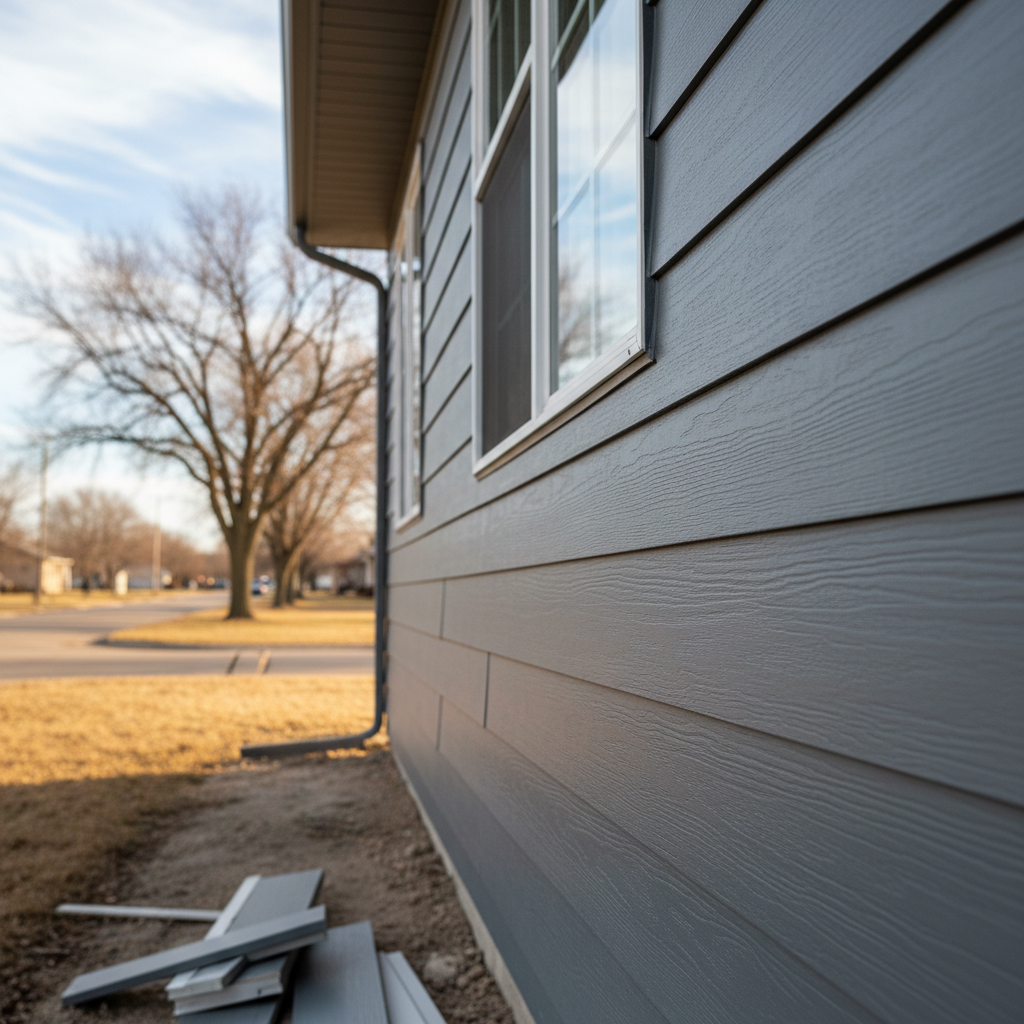
Pulling off old, beat-up siding is usually the first big hurdle of a home exterior makeover. If you live around Columbus, our unpredictable Nebraska weather, from heavy spring winds off the Platte River to blistering summer sun, takes a real toll on exterior walls. You might be staring at warped vinyl or cracked wood and wondering if you can save some cash by ripping it down yourself.
Here is what you actually need to know before you grab a pry bar.
What You Can Do Yourself
Tearing down old material looks easy in online videos, and the demolition part is mostly sweat equity. You can definitely handle pulling off standard vinyl or old aluminum panels on your own. Siding Removal does not require high-end tools, just a claw hammer, a flat pry bar, heavy-duty work gloves, and eye protection. You will also want to rent a roll-off dumpster or plan several trips to the local transfer station.
Stripping the walls yourself lets you inspect what is hiding underneath. Just make sure you are careful around electrical meters and outdoor spigots.
When to Hand It Over to a Pro
While pulling panels off is straightforward, certain red flags mean you should stop and call Pacific Siding Company or another trusted local contractor:
- Asbestos siding was common on mid-century homes in neighborhoods near downtown and requires specialized hazmat disposal.
- Rotten sheathing or structural framing that crumbles when exposed needs immediate carpentry repair before new wrap goes up.
- Two-story peaks and awkward rooflines on split-levels create serious fall hazards without proper scaffolding.
Getting Ready for the Mess
Before any tearing starts, protect your property. Lay down heavy tarps around your foundation to catch falling nails, sharp metal shards, and brittle plastic pieces. You do not want those hiding in your lawn or getting chewed up by your lawnmower later. Move your patio furniture, roll up garden hoses, and let your neighbors know things might get a little noisy for a day or two.
Once the old layer is gone, you are left with a blank slate. Take time to check your house wrap and flashing before putting anything new back on. Doing the prep work right sets the stage for a solid finish that will stand up to whatever Platte County throws at it next.