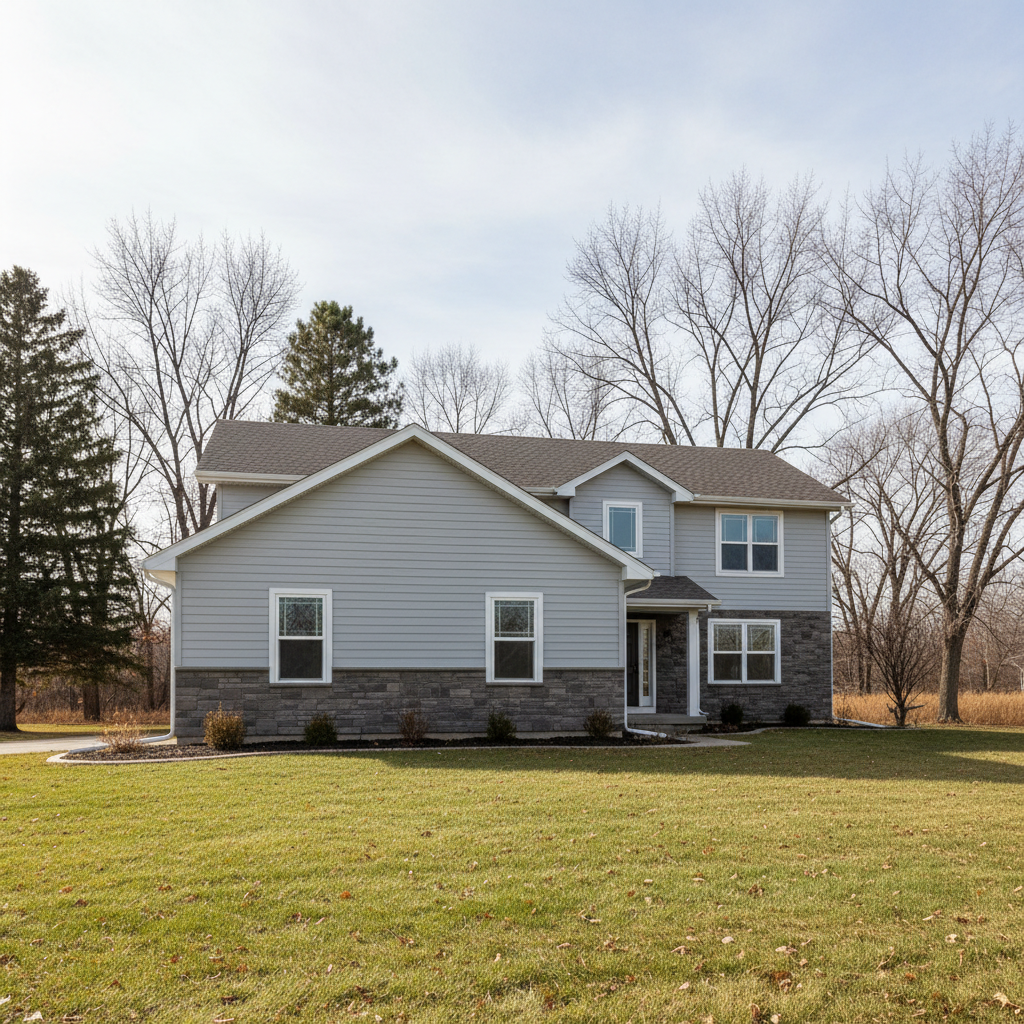
When's the best time to rip off your old siding? That's a question I hear a lot, especially from folks right here in Columbus. You might think it's just about picking a date, but the weather – particularly our Nebraska weather – really dictates how smoothly the whole job goes and, honestly, how well your new siding holds up.
Timing is Everything: When to Schedule Siding Removal
Look, you *can* technically remove siding any time of year. But some seasons are definitely better than others, no question. For us, the sweet spot is usually late spring, summer, and early fall. Why?
Warmer Temps: Most siding materials, especially vinyl, are much more flexible when it's warm. Trying to remove brittle, frozen siding in January? That's just asking for more breakage and, frankly, a much longer, tougher job. Plus, nobody wants to be out there scraping ice off old boards, right?
Less Moisture: This is a big one. We get our fair share of rain and snow around here. When we remove siding, your home's sheathing and framing get exposed. You absolutely do NOT want that exposed to prolonged moisture. Summer and early fall tend to have drier stretches, giving us a better window to get the old stuff off and the new stuff on before a big storm rolls through.
Longer Daylight Hours: Simple enough, isn't it? More daylight means we can work longer and get the job done faster, which minimizes the time your home is exposed to the elements.
Winter? We try to avoid major siding removal projects then if we can help it. It's not impossible, but the cold makes materials brittle, and the risk of moisture damage from snow and ice is just too high for my liking. Besides, working with frozen fingers isn't fun for anyone.
Weather Conditions That Affect the Job
Beyond just the season, the specific weather on the day of removal makes a huge difference.
Rain: This is the big one. We simply can't work in heavy rain. It's a safety hazard for my crew, and more importantly, it's terrible for your home. Exposing your house wrap and sheathing to a downpour is just asking for trouble later on. We'll always reschedule if significant rain is in the forecast.
High Winds: Columbus can get some serious gusts, especially out near the Platte River. Trying to remove large panels of siding in high winds is dangerous; they can become sails, hitting people or property. It also makes it really tough to control debris.
Extreme Cold: As I mentioned, materials get brittle. Nails are harder to pull. Your house framing can even shrink slightly, making removal trickier. It just slows everything down and increases the chance of damage to the underlying structure.
Extreme Heat: While less of a problem for removal, extreme heat (think 95+ degrees with high humidity) can be tough on the crew. It can also make some adhesives or sealants we might use a bit finicky. We'll still work, but we'll take more breaks and make sure everyone stays hydrated.
We're always watching the forecast leading up to a project. If it looks iffy, we'll be in touch to discuss options. Your home's protection is always our top priority, after all.
Protecting Your Investment Year-Round
Okay, so you've got new siding. Fantastic! Now, how do you keep it looking good and performing its best?
Regular Cleaning: A simple wash with a garden hose and a soft brush can do wonders. Get rid of dirt, pollen, and any mildew that might start to grow, especially on the north side of your house where it stays shadier. Just don't use a high-pressure washer too close; it can force water behind the siding or damage the material.
Check for Damage: After a big storm, especially those hailstorms we get, do a quick walk-around. Look for cracks, dents, or loose panels. Catching small issues early prevents them from becoming big, expensive problems down the road.
Trim Trees and Shrubs: Keep vegetation away from your siding. Branches rubbing against it can scratch or damage the surface. Plus, keeping things trimmed helps with airflow, reducing moisture buildup.
Inspect Sealants: Check around windows, doors, and corners. Caulk and sealants can dry out and crack over time, creating pathways for water. Reapply them as needed.
Maintain Gutters: Clogged gutters can cause water to overflow and run down your siding, leading to staining and potential moisture issues. Keep 'em clean!
Taking a little time each season to inspect and clean your siding will extend its life and keep your home looking sharp. If you ever spot something that looks off, or you're just not sure, give us a call at Pacific Siding Company. We've been doing this a long time, and we're always happy to take a look and give you an honest opinion. It's your home, and it deserves to be protected.